

AI as the City Intelligence Amplifier.Intelligence the city owns, integrating citizens, business, government and civil society, so the whole city thrives.
Mayors and ministers, city technology leaders from Helsinki to Jakarta, and the researchers and builders who stand behind the tools. New speakers join every week.
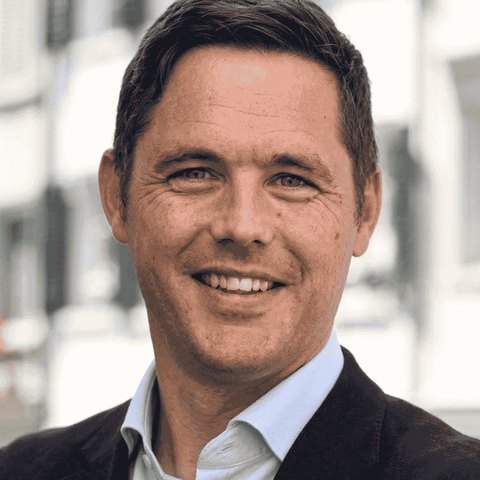
Mayor of Lichtensteig since 2012, the summit's host city
Lichtensteig, Switzerland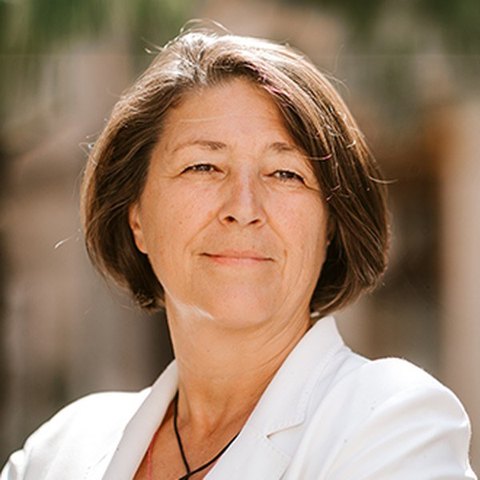
Founder of Ecocivilisation; European Commissioner for Transport 2014-2019, former Deputy Prime Minister of Slovenia
Ljubljana, Slovenia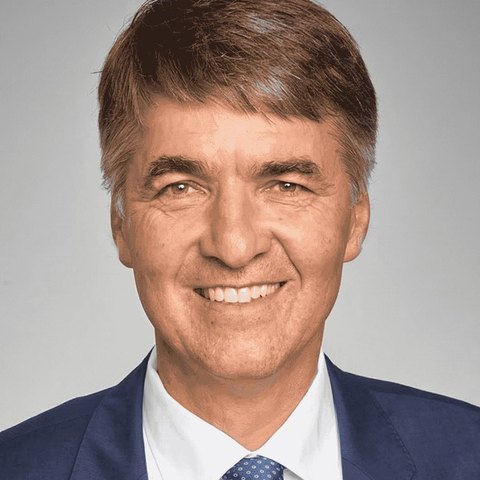
Mayor of Bern 2017-2024, Vice President of the City of Bern
Bern, Switzerland
Creator of the Integral City methodology and the four voices of the city; Chair of Trustees, Findhorn Foundation
Findhorn, Scotland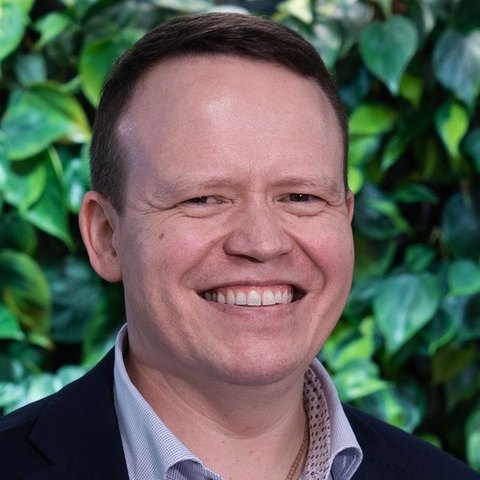
Acting CEO, Helsinki Region Transport (HSL), bringing AI into everyday public transport
Helsinki, Finland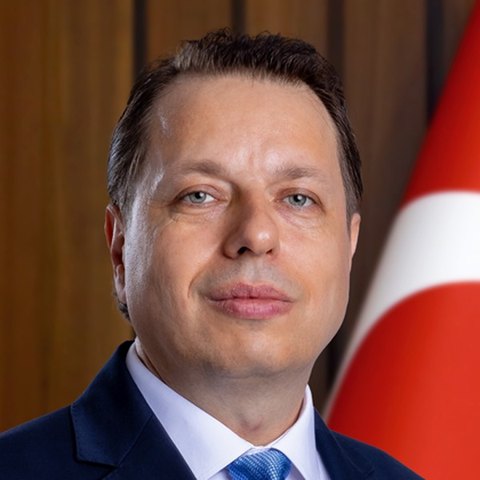
Head of Information Technology, Bağcılar Municipality: AI services for every resident
Istanbul, Türkiye
Former Founding CEO, Malaysia's National AI Office
Kuala Lumpur, Malaysia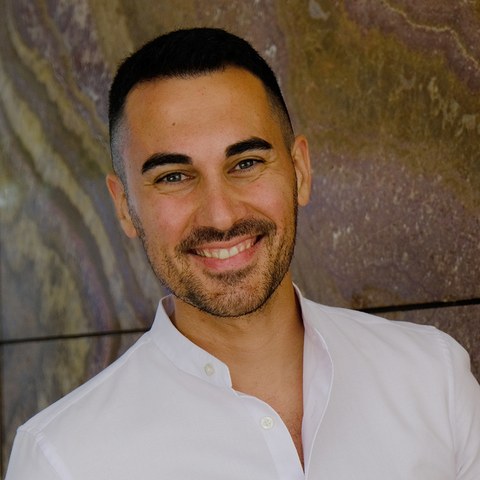
Head of Innovation, Communityai: AI-powered geospatial tools that match investment to community need
London, UK
Head of Digitalisation, Technical and Environmental Affairs, City of Aarhus
Aarhus, Denmark
Former Undersecretary of Smart City, City of Buenos Aires; led Boti, the city's AI assistant
Buenos Aires, Argentina
Founder of EARTHwise, lead author of the Participatory Framework for a Global AGI Constitution
Mauritius
Responsible AI in government decision-making, four decades with ministries and municipalities
Netherlands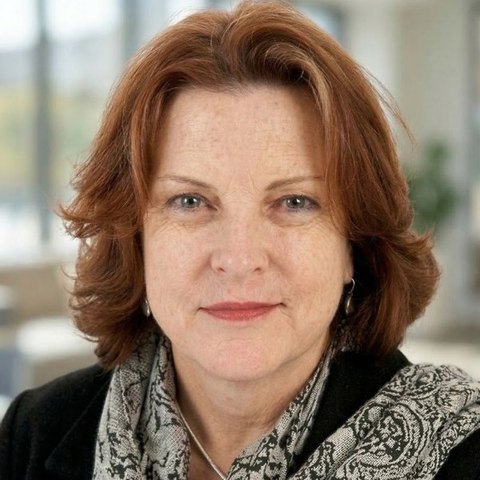
Founder, Integral Africa Institute; Academic Director, Global Mayors Academy; leadership maturity in the age of AI
Cape Town, South Africa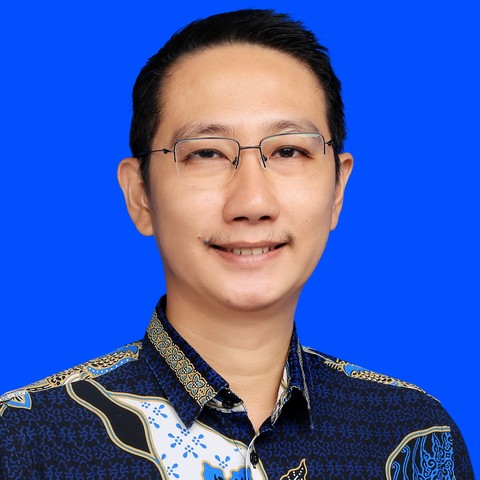
Digital and AI, UN Development Programme (UNDP) Asia-Pacific; formerly Jakarta Smart City
Jakarta, Indonesia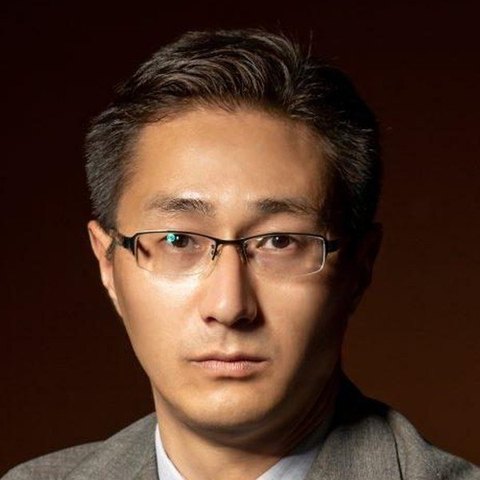
Former Minister of Digital Development, Kyrgyz Republic
Bishkek, Kyrgyzstan
Founder of Global Education Futures
Valencia, Spain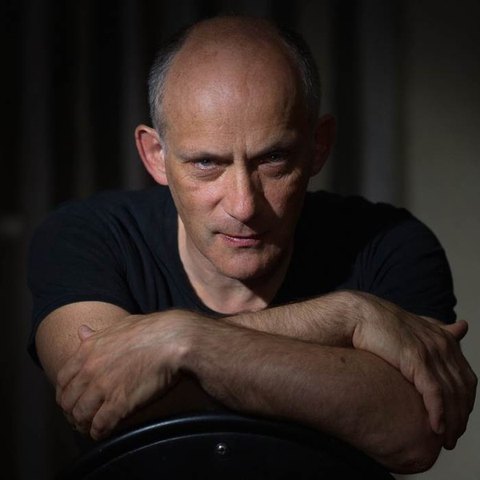
Senior AI researcher, SingularityNET Foundation; Novosibirsk State University
Novosibirsk, Russia
Member of the European Parliament 2009-2014, founder of reLife Earth
Athens, Greece
Architect, author of the Urban Hub series on cities
Cape Town, South Africa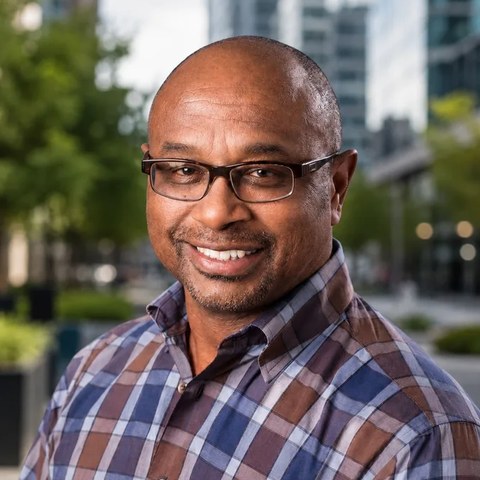
Chief Operating Officer, Global Mayors Academy
Los Angeles, USA
Founder, Living Cities Earth
Seattle, USAA city is its government, its citizens, its business, its civil society and its young people. Each hears its own part of the whole. The summit joins them around the intelligence the city owns, and gives the people who build and provide AI a sixth seat at the same table, so that every side gains and the city thrives as a whole.
Brings the mandate, the data, and the responsibility to serve everyone.
Takes away ownership of its own AI, and the language for the regulator.
Bring everyday reality: what a bus route means in a family evening.
Take away services that listen, and a city that finally hears them.
Brings capital, speed, and tools already built and ready to use.
Takes away an equal seat with government, and a strategy for its city.
Brings universities, foundations and media, keeping watch over the whole city.
Takes away an open venue, co-authorship, and access to real city practice.
Brings the decades ahead: school, a first job, the city they will inherit and run.
Takes away AI literacy that employers recognize, a first project of their own, and a seat held by right.
Bring the tools, the research, and an honest conversation about what they mean for public services.
Take away the conditions of entry into a city, signed together with the city, and a room of decision-makers.
Each theme has its own place on the map of the whole city, and its own voice there. Partners bring their frame into the shared space, and the program grows around what they bring. At each table sit the ones who did it, the ones who studied it and the ones who built it. A case has a city, a year, what was put in place and what measurably changed. A rollback counts as a result.
Data, goals and the charter: the conditions under which a city’s AI belongs to the city, and what cities and providers sign together.
Mobility, utilities, health, education, permits: what already works in cities, what it cost, and what measurably changed.
From a one-person shop to a corporate team: AI strategies for a city’s businesses, and the seat of business at the city’s table.
Listening at scale, deliberation, the resident who turns up to meetings, and what a city may know about its people.
The city’s labor market in transition: which jobs change, which appear, and how a city retrains its own people.
The line a city draws: surveillance, consent, open data, and public oversight of the systems that steer decisions.
The EU AI Act for municipalities, and the frames outside Europe: what a city has to do this year, and how to do it well.
AI’s footprint on water, energy and land, and AI for climate action and regenerative cities.
Schools and universities as the city’s AI classroom: from eight to twenty-five, a way in and a certificate at the end.
Live cases, failures included, and the network where cities see each other, compare maturity and exchange directly.
The city team, the company or the agency that put the system into a real service and lived with the result.
The university or institute that measured what it did for people, for rights and for the budget.
The lab or the company that built the tool, ready to say plainly what it does today and where its limits are.
The council member, the union, the journalist or the resident whose questions shaped the system, and what the city changed in answer.
One form for everyone: participants, partners, speakers and hub hosts.
The summit opens online over the World Cities Day weekend. Practitioners speak from their own cities and time zones, and the sessions continue through December.
Talks by city teams and practitioners, twenty minutes each with time for questions, across time zones.
New speakers and new cases join the program through the season.
Register once. Your Zoom link arrives right away and works for all three days.
Every session is recorded, so a city team can return to it with colleagues.
Lichtensteig, Toggenburg. The finale gathers here in December, and the town itself is a case: a small administration that does what only metropolises could before.
The program fills through October: city teams with a measured result, the researchers who studied it, and the providers who built it. Take a seat at the table. A person from the team writes back.